Customized Elderly Care Services: Your Ally in Aging Gracefully
Personalized senior care programs play an crucial role in assisting older adults as they age. These services concentrate on personal preferences and requirements, delivering critical help that improves both independence and health. With options ranging from companionship to specialized health care, families often face difficulties in choosing the appropriate approach. Comprehending the different elements of customized care can contribute to substantial enhancements in quality of life for older adults. What factors should one consider when selecting a care provider?
Grasping Individualized Aging Assistance Services
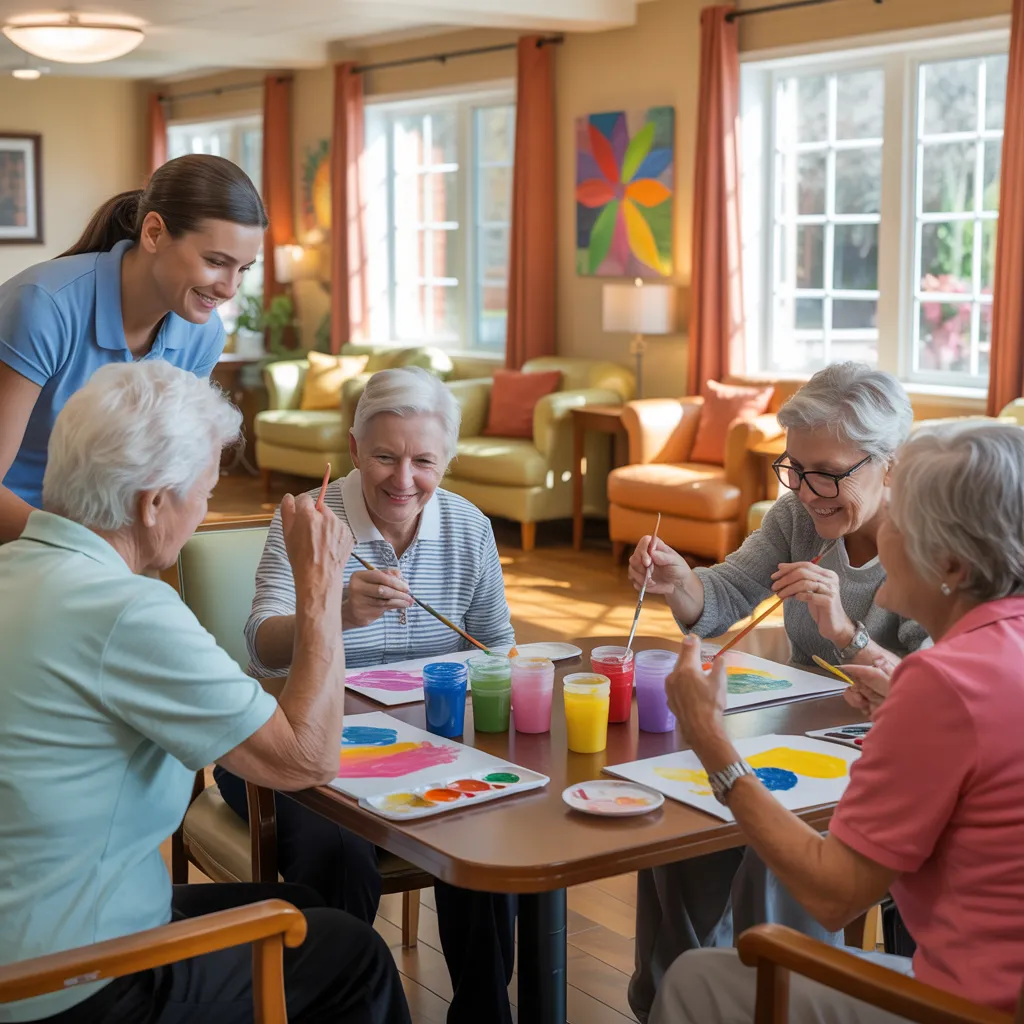
Personalized assistance can include provision of daily living help, health tracking, and social connection, all designed to bolster autonomy and honor. By giving attention to the person, care workers can encourage a sense of community and purpose, which is essential for psychological health. In addition, these programs often adapt as time passes, responding to the variable requirements of elderly individuals. This flexibility makes possible periodic evaluation and refinement, confirming that support remains relevant and effective. Ultimately, personalized senior support involves improving the complete quality of life of older adults in a respectful and compassionate fashion.
Types of Personalized Elderly Support Services
Elderly care services that are customized cover a spectrum of alternatives tailored to meet individual requirements. Primary kinds include home-based support options that deliver help within the comfort of one's dwelling, as well as focused medical care created for specific medical conditions. These services strive to enhance the quality of life for older adults, ensuring they obtain the appropriate support.
Domestic Services Choices
As families seek to assure their dear ones receive the optimal care, various in-home care choices emerge to meet diverse needs. Social care services provide affective support and social engagement, supporting seniors combat loneliness while supporting with daily activities. Personal care aides focus on hygiene and locomotion assistance, warranting safety and comfort in a familiar environment. For those needing more assistance, domestic services render help with household tasks such as cleaning, cooking, and laundry, allowing seniors to sustain their independence. Respite care affords interim relief for primary caregivers, presenting much-needed breaks while ensuring continuity of care. Each option emphasizes individual attention, letting families to choose the level of support that fits with their loved one's unique requirements.
Health Services Specialization
Navigating the intricacies of aging often demands specialized health services tailored to meet the distinct medical needs of seniors. These services encompass a range of offerings, including geriatric assessments, chronic disease management, and physical therapy. Geriatric assessments assess an individual's overall health, identifying specific needs and interventions. Chronic disease management focuses on conditions like diabetes or heart disease, providing ongoing support and education to ensure ideal health outcomes. Physical therapy helps seniors regain mobility and strength, enhancing their quality of life. Additionally, mental health services support emotional well-being, offering counseling and support groups. By combining these specialized services, seniors can navigate their health journeys with greater assurance and support, ultimately promoting a more graceful aging process.
Key Benefits of Individualized Senior Care
Specialized elderly care delivers substantial benefits through customized plans that address specific needs. This customization encourages enhanced medical outcomes while also elevates the overall well-being for elderly individuals. By emphasizing the unique needs and choices of all individuals, specialized care develops a caring environment beneficial to well-being.
Bespoke Individual Treatment Plans
A expanding number of senior care services are recognizing the necessity of personalized care strategies, which respond to the unique needs and preferences of each person. These customized solutions evaluate various factors, including medical history, physical capabilities, and emotional well-being, confirming that care is not only productive but also mindful of the older adult's preferences and values. By involving family members and caregivers in the decision-making process, these services foster a cooperative model that increases satisfaction and compliance. Furthermore, tailored care plans can evolve, reflecting changes in health status or personal preferences, thereby providing ongoing support. This personalized helpful tips approach helps seniors preserve independence while accessing the care they require, ultimately producing more meaningful and fulfilling experiences.
Elevated Quality Of Life
Numerous analyses highlight that personalized senior care considerably raises the quality of life for older adults. By focusing on individual needs, preferences, and lifestyles, these services promote physical, emotional, and social well-being. Tailored care plans can lead to better health outcomes, as they often include customized nutrition, exercise, and medication management. Additionally, personalized attention develops meaningful relationships between caregivers and seniors, curbing feelings of isolation and loneliness. This supportive environment inspires active engagement in daily activities, enhancing mental stimulation and overall happiness. Ultimately, personalized senior care not only addresses medical needs but also enriches the emotional and social dimensions of aging, allowing older adults to thrive and maintain their dignity.
Determining the Right Older Adult Care Supplier
In what way can relatives guarantee they choose the most suitable senior care provider for their family members? The process starts with thorough research. Families should assess potential providers based on credentials, expertise, and care services provided. Reviewing internet testimonials and testimonials can provide useful information into the standard of care provided.
Following this, organizing interviews allows families to pose specific questions, making certain that the caregiver's philosophy and approach correspond with their family member's needs. It is crucial to evaluate the facility's atmosphere and personnel engagement, as these factors significantly impact the standard of service.
Additionally, checking appropriate credentials and qualifications can enable families determine the provider's credibility. Grasping the fee arrangement and accessible funding alternatives is similarly vital to sidestep surprise costs. Ultimately, picking a elder care facility should necessitate a balance of comprehensive study and genuine relationship, making certain that the selected option supports the loved one's health and honor.
Strengthening Self-Determination and Security for Aging Individuals
In addition, technology represents an important function in promoting independence. Instruments including medical alert systems and home monitoring solutions facilitate seniors to manage their daily activities with confidence. Individualized care programs, tailored to individual needs, further support seniors in pursuing hobbies and social engagements, building a sense of purpose.
In addition, care workers deliver assistance managing daily tasks while encouraging seniors to engage as fully as they can. This blend of support and agency not only heightens safety but also strengthens self-esteem, ultimately advancing a more enriching and autonomous lifestyle for seniors.
Inspiring Stories: How Customized Care Bettered Lives
Personalized care has proven revolutionary for many older adults, illustrating the significant effect tailored support can have on their wellbeing. One such triumph involves a 78-year-old woman named Margaret, who struggled with mobility and loneliness. After enrolling in a personalized care program, she received help that encompassed customized exercise plans and social engagement activities. Within months, Margaret recovered vigor and confidence, allowing her to participate in local activities.
Likewise, John, a 72-year-old veteran with memory challenges, reaped the benefits of one-on-one mental enrichment sessions intended for his interests. His caregiver incorporated familiar themes from his military service, strengthening meaningful conversations and alleviating anxiety.
These instances highlight how tailored support not only addresses individual needs but also boosts mental wellness. By modifying care to each senior's unique circumstances, healthcare providers can substantially enhance quality of life, allowing seniors to age gracefully and with dignity.
Frequently Requested Inquiries
How Do Caregivers Develop Tailored Care Plans for Every Senior?
Individualized treatment strategies for seniors are created through thorough assessments, involving examinations of medical status, choices, and daily needs. Working together with healthcare professionals, families, and the seniors themselves guarantees customized support that promotes well-being and dignity.
What Standards Must Be Important for Home Care Providers to Offer Tailored Services?
Caregivers should possess relevant certifications, such as CPR and first aid, alongside specialized training in elderly care. Compassion, communication skills, and expertise with diverse health conditions are crucial for delivering effective personalized services.
What Ways Can Families Remain Participatory in the Care Process?
Families may stay involved in the caregiving journey by attending meetings, communicating regularly with caregivers, participating in care planning, and participating in activities with their loved ones, creating a collaborative and supportive environment for seniors.
What Emergency Protocols Are Established for Aging Adults Accessing Services?
Emergency procedures for elderly individuals obtaining care consist of immediate availability to medical assistance, established contact systems for care providers, routine safety exercises, and personalized crisis strategies tailored to individual medical needs and choices, guaranteeing prompt reactions during crises.
Is Individualized Senior Care Services included in insurance coverage?
Elderly care programs that are customized may be partially covered by insurance, depending on the policy. Coverage often changes by care provider and particular services required, so patients should consult their insurance plans for specific details about coverage eligibility and available benefits.